
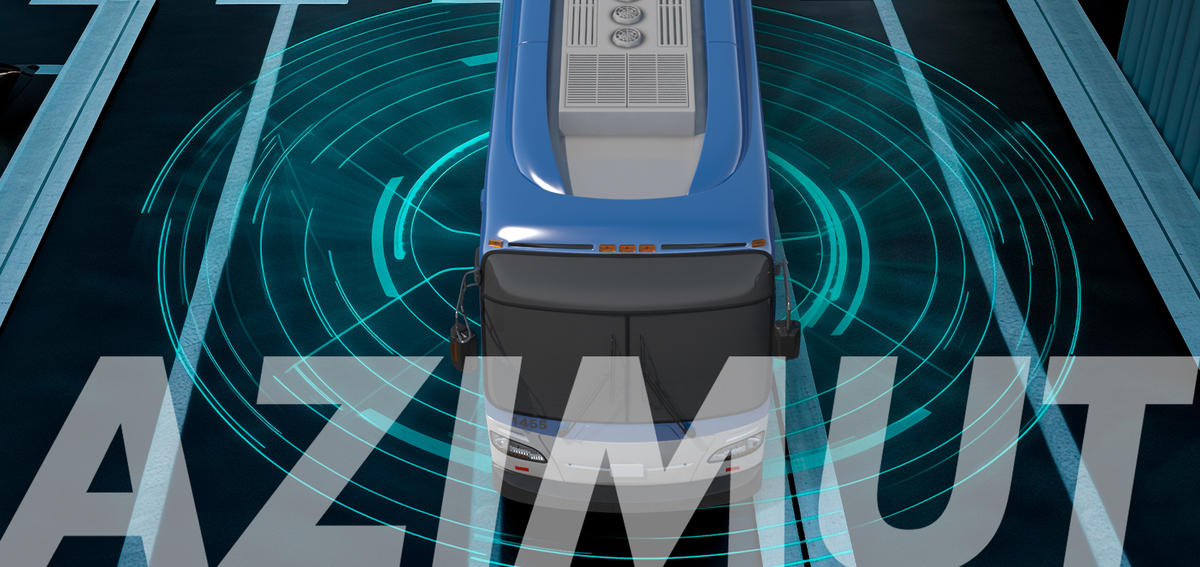
360 vision cameras have become an innovative technology that is transforming the transportation industry, especially in the case of buses. These cameras provide a complete view of the vehicle's environment, allowing drivers to have greater control and awareness of their surroundings. In this article, we will explore in detail 360 vision cameras for buses, their benefits, key features, implementation and frequently asked questions.
What are 360 vision cameras?
360 vision cameras are recording and monitoring systems that use multiple cameras to capture a 360-degree panoramic view around the vehicle. These cameras are strategically placed in different parts of the bus, such as the front, rear and sides, to provide a complete view with no blind spots. In addition to the cameras, specialized software is used to combine the images from the different cameras to create a panoramic and even 3D image from different perspectives in real time.
Benefits of 360° vision cameras for buses
Improving Road Safety
One of the main advantages of 360 vision cameras is their ability to improve road safety. Buses are large vehicles and can have significant blind spots, making it difficult to detect pedestrians, cyclists or other vehicles. With 360 vision cameras, drivers can have a full view of their surroundings, reducing the risk of accidents and collisions.
Accident and Collision Prevention
360 vision cameras allow drivers to detect early on the presence of obstacles or people in the vicinity of the bus. This is especially useful when making turning maneuvers, parking or stopping at bus stops. The camera detection system can alert the driver to potential collisions and provide visual and audible warnings to avoid accidents.
Blind Spot Detection
Another important benefit of 360 vision cameras is their ability to eliminate blind spots. Drivers can have a clear view of hard-to-see areas, such as rear corners or the sides of the bus. This is especially useful when changing lanes or maneuvering in tight spaces. Eliminating blind spots improves safety for the driver as well as for pedestrians and other drivers on the road.
Increasing Operational Efficiency
In addition to improving road safety, 360 vision cameras also offer benefits in terms of operational efficiency for transport companies.
Bus Environment Monitoring
With 360 vision cameras, bus drivers and operators can more effectively monitor the vehicle environment. This includes monitoring bus stops and detecting inappropriate behaviors. The 360 vision cameras constantly record activity in and around the bus, providing evidence in the event of incidents or disputes. In addition, real-time monitoring allows for faster response to emergency situations or security issues.
Reduction of maintenance time
360 vision cameras can also contribute to the reduction of bus maintenance time. These cameras are equipped with self-diagnostic technology that can detect and alert about possible problems or failures in the system. This allows bus operators to take preventive measures and perform necessary maintenance in a timely manner, avoiding breakdowns and minimizing downtime.
Key features of 360° vision cameras
The 360 vision cameras for buses have a number of key features that make them efficient and reliable:
- High Resolution and Wide Angle Cameras: The cameras used in these systems offer high image resolution and a wide viewing angle. This ensures a clear and detailed capture of the entire bus environment.
- Advanced Detection and Alert Functions: The 360 vision cameras are equipped with advanced detection functions, such as collision detection with vulnerable road users (pedestrians, bicycles, pedestrians, pedestrians, etc...), and proximity detection. These functions allow drivers to receive real-time alerts about potential hazards or abnormal situations.
- Integration with Recording and Monitoring Systems: 360 vision cameras can be integrated with recording and monitoring systems, which allows for optional storage and review of captured images and videos. This is especially useful in case of incidents or disputes, as it provides concrete evidence.
Implementation of 360º vision cameras in buses
The implementation of 360 vision cameras in buses requires consideration of technical and installation aspects:
Strategic Location of the Chambers
It is important to place cameras in strategic locations on the bus to obtain a complete view of the environment. Typical locations include the front, rear and sides of the vehicle. In addition, cameras can be installed inside the bus to monitor passengers.
Connectivity and Power
360 vision cameras require a constant and stable power connection. It is necessary to ensure that the system is properly connected to the bus electrical system. In addition, a reliable data connection must be guaranteed for real-time image and video transmission.
Conclusions
360 vision cameras have become an indispensable tool for improving safety and efficiency on buses. They provide drivers with a complete, blind spot-free view of their surroundings, which helps prevent accidents and collisions. In addition, in case remote access to camera images is needed, a reliable data connection must be guaranteed for the transmission of images and videos in real time. The implementation of these cameras requires consideration of technical and installation aspects, as well as the choice of a reliable supplier.
In summary, 360 vision cameras are a technological solution that has proven effective in improving safety and efficiency in bus transportation.
Frequently Asked Questions (FAQs)
FAQ 1: Are 360 vision cameras easy to install?
Yes, 360 vision cameras are relatively easy to install on buses. However, it is recommended to have trained technical personnel to ensure proper installation and correct operation of the system.
FAQ 2: Is an additional recording and monitoring system required?
By default, the cameras require a processor to process the camera images and generate a 360 composite image and a monitor for the driver. Optionally, the camera images can be recorded via an on-board recorder for later access.
This provides evidence in case of incidents or disputes.
FAQ 3: Are 360 vision cameras resistant to adverse weather conditions?
Yes, 360 vision cameras are designed to be resistant to adverse weather conditions, such as rain, snow and high temperatures. However, it is recommended to choose high quality cameras that meet the necessary resistance standards.
FAQ 4: Can 360 vision cameras improve the passenger experience?
Yes, 360 vision cameras can help improve the passenger experience by providing a safer and more reliable environment. Passengers can have peace of mind knowing that the driver has a clear view of their surroundings and that measures are being taken to ensure their safety during the trip.
FAQ 5: Do 360 vision cameras violate passenger privacy?
No, 360 vision cameras are installed primarily to monitor the close environment outside the bus and ensure passenger and driver safety. However, it is important to follow applicable regulations and privacy laws and respect individual rights.
If you are interested in implementing 360 vision cameras on your buses to improve safety and efficiency, get access now! Click on the link below for more information and to take advantage of this innovative technology.