
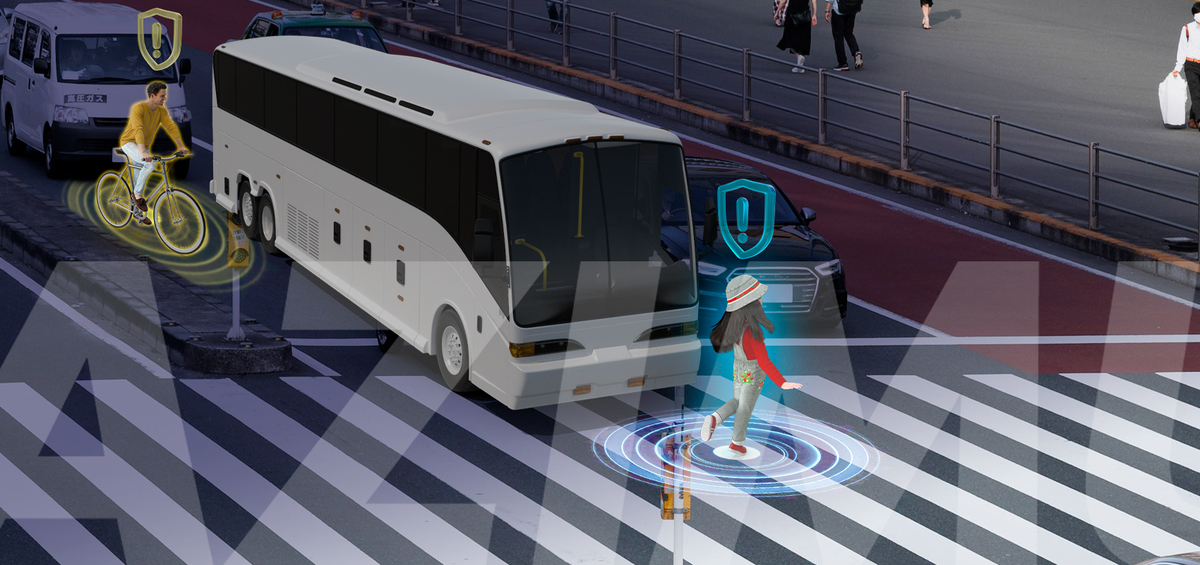
In the constant quest to improve road safety and protect the most vulnerable road users on our roads, UN Regulation 151 has set a new standard in the transport industry. This regulation focuses on the implementation of blind spot warning systems, specially designed to detect the presence of pedestrians, cyclists and motorcyclists on the sides of vehicles, an innovation that is crucial for bus fleets.
Objectives of the Regulation
The main objective of Regulation 151 is to increase the safety of all road users by significantly reducing the risks of accidents caused by the lack of visibility in the blind spots of heavy vehicles. For bus fleets, this represents a significant step towards protecting vulnerable road users (VRUs), who are particularly susceptible to accidents in urban areas and on busy roads.
Dead Angle Warning Systems for Buses
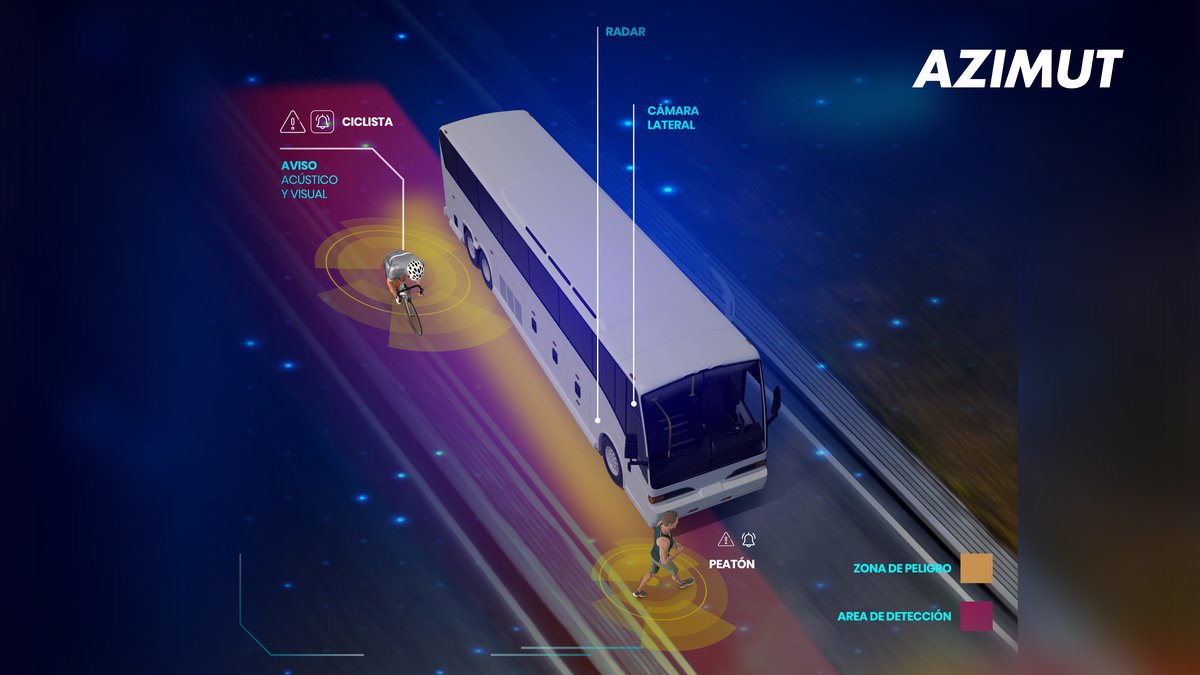
To comply with the standards set by Regulation No. 151, bus fleets must be equipped with advanced safety systems that include:
- Blind Spot Radar and Farthest Side of the Driver: Specifically adapted for large vehicles, this radar provides wide coverage, detecting vehicles, pedestrians or obstacles in the blind spot of the bus, and alerting the driver in real time.
- High Definition AI Cameras: Strategically placed on the sides of the bus, these cameras capture detailed images of the environment, which are analyzed by artificial intelligence to identify potential risks, including VRUs.
- Image Processing and Analysis System: This advanced system processes the information collected by the cameras, using sophisticated algorithms to detect and alert on the presence of vulnerable users near the bus.
- Driver Alert Interface: Alerts are presented to the driver in an intuitive way, allowing a quick and effective reaction to prevent possible collisions.
- Integration with Steering and Braking Systems: In critical situations, these systems can take partial control of the vehicle to avoid accidents, representing an additional layer of safety for passengers and VRUs.
Benefits for Bus Fleets
The implementation of these systems not only complies with international regulations, but also offers multiple benefits for bus fleets, including:
- Improved Track Safety: Significant reduction of accidents involving VRUs, contributing to a safer and more reliable operation.
- Reducing Accident-Related Costs: Fewer accidents translates into lower legal, repair and insurance costs for fleets.
- Improved Corporate Image: Committing to road safety improves the public perception of the company, strengthening its reputation as a responsible and conscientious operator.
Conclusion
UN Regulation 151 marks an important milestone in the commitment to improved road safety. For bus fleets